


Telling a bigger story with motion graphics, not more footage
In our Albers Aerospace projects, one of the most effective storytelling choices wasn’t adding shot, it was rethinking how shots live together on screen.
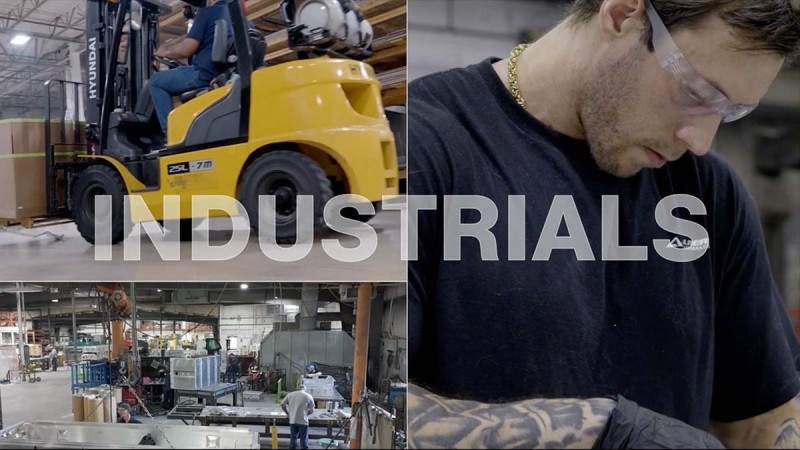
By using motion-designed panels and split screens, parallel moments are allowed to coexist. Manufacturing details, engineering environments, leadership presence, and mission context all share the frame.
Panels do a few important things well:
They create narrative density. A single shot delivers one idea. Panels can communicate process, people, and purpose simultaneously without feeling cluttered. The viewer absorbs more, faster, because the information is organized, not stacked.
They extend the value of existing footage. Rather than choosing which moment makes the cut, panels reveal how moments connect. That means more usable footage, fewer compromises in the edit, and greater return on every shoot day.
They guide attention with intention. Motion graphics introduce hierarchy. Subtle movement, timing, and layout tell the viewer where to look and why it matters, especially in technical fields where clarity is part of the story.
For Albers, this approach reinforces who they are: a company operating across multiple domains at once: innovation, manufacturing, and defense, without fragmenting the message.
Good motion graphics aren’t decoration.
They’re structure.
They’re a way to tell a wider story without making the video longer.
See the motion graphics sample below.
Posted: 02/02/2026